2 Sketches Stowed Away.
Sargent Season: The Tate Storage
Stop four on the Sargent hunt is Tate Britain, but this one comes in two parts, so we’re splitting it up. First, we are heading to the storage room and then exploring the museum. We’ll get to the galleries soon, I promise, but the storage room is its own thing entirely and it deserves its own post.
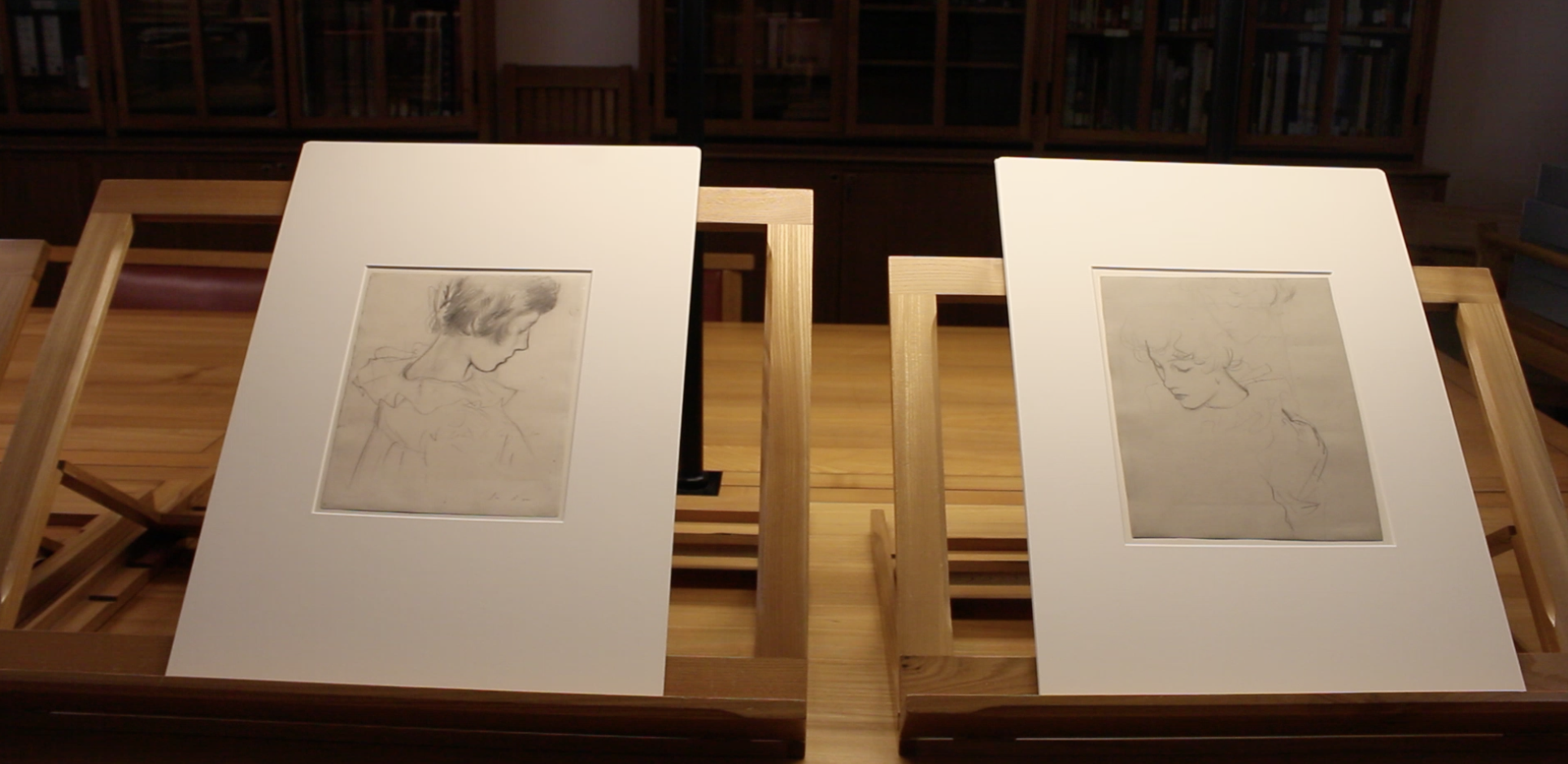
Here’s the deal, Tate Britain has a study room and if you email ahead and book an appointment, they’ll let you come in and request works that aren’t on public display. It sounds intimidating, and I was a little nervous walking in, but it was truly amazing and honestly, pretty cool. You fill out a form, they bring the work out, and suddenly you’re sitting at a table with something that almost no one else gets to see. I went in to see two pencil sketches: Dorothy Barnard, c.1887 and Polly Barnard, c.1887. Both from around the same period as Carnation, Lily, Rose, which hangs downstairs in the galleries and which we’ll get to in Part Two.
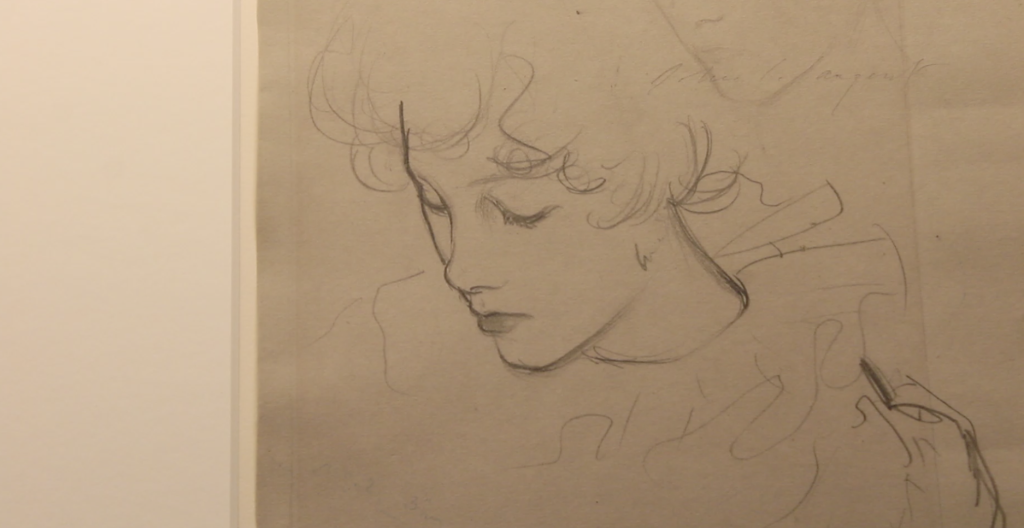
They’re small, unfinished, and were never meant to be exhibited. These are sketches, casual ones, the kind of thing Sargent probably dashed off without much care. And they are two of the most beautiful things I’ve seen on this entire hunt.
The hair is loose lines. The blouses are loose lines. The fabric of the dresses is barely resolved, just enough information for your eye to read it as cloth, as weight, as texture, without Sargent ever actually committing to describing it. It’s the same thing he does in oil, that trick of suggestion doing the work of description, but here you can really see the decision-making. You can see where he chose to stop.
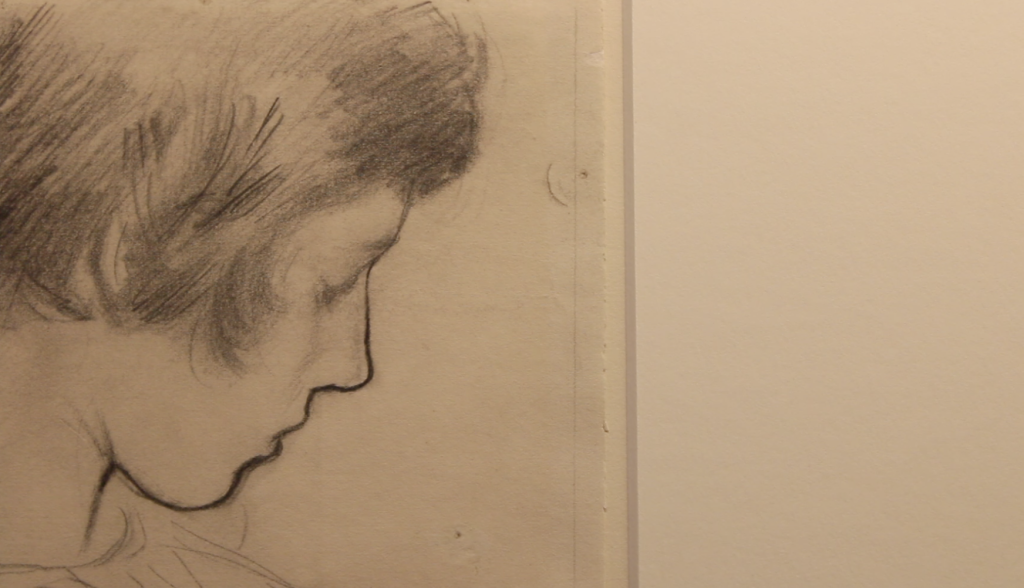
And then there are the profiles. Those are something else completely. Thick, dark graphite, pressed into the paper with actual weight, hard enough that you can see the dent from the mark and feel the intention behind it. The paper itself looks almost too frail to hold it. It’s this wild contrast: everything else in the drawing is light and loose and open, and then the profile just arrives, definitive, like he knew exactly where the line needed to be and put it there without hesitating.
What gets me about sketches like these (and I keep thinking about this) is that they’re not warm-ups. They’re not practicing. They’re proof of how the thinking works. Sargent doesn’t have color here, doesn’t have finish, doesn’t have any of the tools that make his paintings so immediately dazzling. And he’s still choreographing your eye. Still building something your brain wants to stay inside. The visual intelligence wasn’t something he switched on for commissions or turned up for a paying client. It was just how he saw. All the time. Even when no one was supposed to be watching.
If you’re doing the hunt properly, book the study room appointment. Email the Tate, ask for the Barnard sketches, and go sit with them for twenty minutes. It will make everything else you see on this tour hit differently.
Part Two (the galleries, Carnation, Lily, Lily, Rose, and everything else Tate Britain has on the walls) is coming soon.